
Fabric weight refers to how heavy a fabric is over a fixed area and is commonly measured in GSM (grams per square metre) or ounces per square yard (oz/yd²). Higher GSM fabrics are generally thicker and more durable, while lower GSM fabrics are lighter and more breathable. Fabric weight helps determine the fabric’s strength, drape, durability, and suitability for different applications such as clothing, upholstery, or outdoor use.
Understanding fabric weight is essential when choosing the right material for sewing, upholstery, outdoor projects, or fashion garments. Fabric weight influences durability, thickness, drape, and the type of project the fabric is suitable for.
When buying fabric online, you cannot physically feel the material. This is where fabric weight measurements such as GSM and OZ become extremely useful, helping you understand how heavy or light the fabric will be before purchasing.
In this guide, we explain how fabric weight works, how to calculate it, and what it means in real-world applications.
What Is Fabric Weight?
Fabric weight refers to how heavy a piece of fabric is over a specific area. It helps determine:
- Fabric thickness and density
- How the fabric drapes or hangs
- Durability and strength
- Suitable sewing needles and thread
- Ideal applications (clothing, upholstery, outdoor use, etc.)
Manufacturers usually measure fabric weight using GSM (grams per square metre) or OZ (ounces per square yard).
These measurements allow buyers, designers, and manufacturers to compare fabrics objectively.
Understanding GSM (Grams per Square Metre)
GSM stands for Grams per Square Metre.
It is the most widely used metric measurement for fabric weight worldwide.
GSM simply means how many grams one square metre of fabric weighs.
For example:
- 120 GSM fabric = 120 grams per square metre
- 300 GSM fabric = 300 grams per square metre
Generally speaking:
| Fabric Weight | GSM Range | Typical Uses |
|---|---|---|
| Lightweight | 30 – 150 GSM | Scarves, linings, summer clothing |
| Medium weight | 150 – 350 GSM | shirts, dresses, upholstery fabrics |
| Heavyweight | 350+ GSM | canvas, tents, bags, upholstery |
Higher GSM typically means thicker, denser and more durable fabric, although construction, fibre type, and weave also affect the feel.
Understanding OZ (Ounces per Square Yard)
Some suppliers, particularly in the UK and US, may use ounces per square yard (oz/yd²) instead of GSM.
This is an imperial measurement but refers to the same concept — the weight of fabric over a fixed area.
For example:
- Lightweight denim: 6–8 oz
- Standard denim: 10–12 oz
- Heavy denim: 14–16 oz
Many manufacturers provide both GSM and OZ values to make it easier for international buyers.
How To Calculate Fabric GSM
If you want to calculate the fabric weight yourself, there are several simple methods.
Method 1: Weigh One Square Metre
The easiest way to calculate GSM is to cut a 1 metre × 1 metre piece of fabric and weigh it.
If the fabric weighs 300 grams, the GSM is 300 GSM.
However, cutting a full square metre is not always practical.
Method 2: Using a GSM Cutter
A GSM cutter is a tool commonly used in textile laboratories and factories.
It cuts a perfectly sized circular sample of fabric, usually representing 1/100th of a square metre.
Steps:
- Place the fabric under the GSM cutter
- Cut the circular sample
- Weigh the sample on a precision scale
- Multiply the weight by 100
Example:
- Sample weight = 2.5 grams
- GSM = 2.5 × 100
- Result = 250 GSM
This method provides accurate and repeatable measurements.
Why Fabric Weight Matters
Fabric weight gives important clues about how the material will behave in real-world use.
Fabric weight helps determine:
Durability
Heavy fabrics tend to last longer and handle abrasion better.
Drape and flexibility
Light fabrics flow and drape easily, while heavier fabrics hold structure.
Project suitability
Some projects require specific fabric weights.
Examples:
Examples of Fabric Weight Categories
While every fabric is different, these general categories help guide selection.
Heavyweight Fabrics
These fabrics are durable, structured, and suitable for furniture, bags, and outdoor applications.
Medium Weight Fabrics
Medium weight fabrics are commonly used for garments, curtains, and decorative projects.
Lightweight Fabrics
These fabrics are soft, breathable, and ideal for flowing garments or delicate textiles. To Explore These fabrics go to fabricuk
GSM vs Fabric Thickness
It is important to note that GSM does not always equal thickness.
Two fabrics may have the same GSM but feel different due to:
- fibre type (cotton, polyester, silk)
- weave structure
- coatings or finishes
- texture or open weave patterns
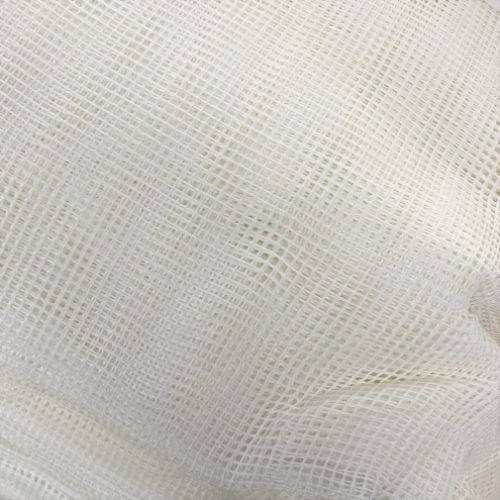
For example, mesh fabrics may have a high GSM but still feel light because of their open structure.
Quick GSM to OZ Conversion Guide
For reference:
| GSM | Approx OZ |
|---|---|
| 150 GSM | 4.4 oz |
| 200 GSM | 5.9 oz |
| 250 GSM | 7.4 oz |
| 300 GSM | 8.8 oz |
| 400 GSM | 11.8 oz |
Many online converters can help if you need quick conversions.
Final Thoughts
Knowing how to work out fabric weights can make a huge difference when choosing the right material. Whether you are sewing garments, upholstery, outdoor equipment, or buying fabric online, understanding GSM and OZ measurements helps you make informed decisions.
Fabric weight provides valuable insight into durability, structure, and suitability for different applications.
When in doubt, checking the GSM specification or calculating it yourself ensures you select the correct fabric for your project.
Frequently Asked Questions
What is the best GSM for upholstery fabric?
Most upholstery fabrics range between 250 GSM and 400 GSM, though heavy-duty upholstery can exceed 500 GSM.
Is higher GSM always better?
Not necessarily. Higher GSM means heavier fabric, but the best GSM depends on the intended use.
What GSM is considered lightweight fabric?
Lightweight fabrics are typically 30–150 GSM.
How accurate is a GSM cutter?
A GSM cutter provides highly accurate measurements because it cuts consistent sample sizes used in textile testing.
Fabric weight is calculated by measuring how much a fabric weighs over a specific area. The most common measurement is GSM (grams per square metre), which indicates how many grams one square metre of fabric weighs. Another common measurement is ounces per square yard (oz/yd²). These measurements help determine whether a fabric is lightweight, medium weight, or heavyweight.
 9
9 0
0 0
0 20
20Fabric UK is your destination for all types of fabric. Whether you’re searching for fabric samples or purchasing by the meter, we make it easy to find exactly what you need.
You can order: Samples, Wholesale, Fabric by the meter
Fill Form for Free fabric samplesSimply visit our website at fabricuk.com or call us directly at 0121 359 2349 for any questions or inquiries.
Visit Our Fabric Showroom
Feel free to visit our fabric showroom anytime – no appointment is necessary!
KBT LTD, Carlton Business Centre, 132 Saltley Road, Birmingham, B7 4TH, United Kingdom
Email Us:
You can reach us at: info@fabricuk.com
Showroom Hours:
- Monday – Friday: 9:30 am – 6:00 pm
- Saturday: 10:00 am – 5:00 pm